

Preparing for Martyn’s Law: A Practical Guide to the New Guidance for UK Businesses
Following the Home Office's recent publication of the official statutory documentation, the clock is officially ticking for businesses across the UK to adapt. Organisations must now actively prepare for the landmark martyn's law legislation—officially enacted as the Terrorism (Protection of Premises) Act 2025. This historic framework is designed to standardise and strengthen public safety, ensuring that public-facing entities are properly equipped to respond effectively to terrorist threats.
At iC2 CCTV, we understand that navigating new regulatory frameworks can feel daunting. However, preparing for these requirements is not about fostering fear—it is about practical preparedness and supporting your organizational duty of care. With the 24-month implementation period currently underway before full legal enforcement begins, venue owners, security managers, and facilities teams have a clear window of opportunity to review their infrastructure, train their teams, and better protect their people, premises, and property.
Understanding the Framework: Where Does Your Venue Sit?
The legal framework deliberately avoids a "one-size-fits-all" approach. The tiered approach itself is the direct result of an extensive martyn's law consultation process, which was designed to gather industry feedback and ensure that requirements remain entirely proportionate to a venue's size and operational risk.
Compliance obligations are scaled based on the capacity of your premises or event, dividing businesses into two distinct tiers:
- The Standard Tier (Capacity of 200–799 people): This tier applies to smaller venues like restaurants, retail stores, community halls, and independent theatres. The requirements are centred on low-cost, practical activities. There is no statutory requirement to install specialized physical security hardware.
- The Enhanced Tier (Capacity of 800+ people): This captures larger venues, stadiums, exhibition halls, and major hospitality spaces. For these premises, operators must document their compliance, submit detailed plans to the Security Industry Authority (SIA), and implement active public protection measures.
What Are Your Core Obligations?
Regardless of which tier your business falls into, the framework shifts the traditional risk assessment model. It decouples preparedness from probability, moving away from asking how likely an attack is, and instead asking: What will you do if an incident actually occurs nearby?
The newly released, official martyn's law guidance (specifically the Section 27 statutory guidance) details exactly what is expected of the "responsible person" on site. For Standard Tier premises, compliance centres on creating robust public protection procedures. This involves mapping out and training staff on four critical actions:
- Evacuation: How to get people out of the building safely.
- Invacuation: Moving individuals into secure, internal zones of the premises.
- Lockdown: Swiftly securing entrance doors, windows, and perimeter shutters to prevent entry.
- Communication: Giving staff the clear means to alert customers and contact emergency services instantly.
For Enhanced Tier venues, the stakes are significantly higher. In addition to these procedures, operators must execute thorough vulnerability assessments and implement physical security measures to actively reduce the venue's vulnerability.
How Integrated Security Supports Compliance
While new physical security systems are not legally mandated for smaller Standard Tier venues, upgrading your technological infrastructure is the most reliable way to make your emergency plans genuinely workable. For Enhanced Tier venues, integrated security is foundational to meeting your statutory duties around monitoring and movement control.
Here is how smart surveillance and access control systems directly support your preparation:
- Automated, Rapid Lockdowns: In an emergency, manually locking individual doors is slow and high-risk. Integrated access control allows managers to trigger an instant, building-wide lockdown or isolate specific sectors at the touch of a button—keeping threats out and securing designated invacuation spaces.
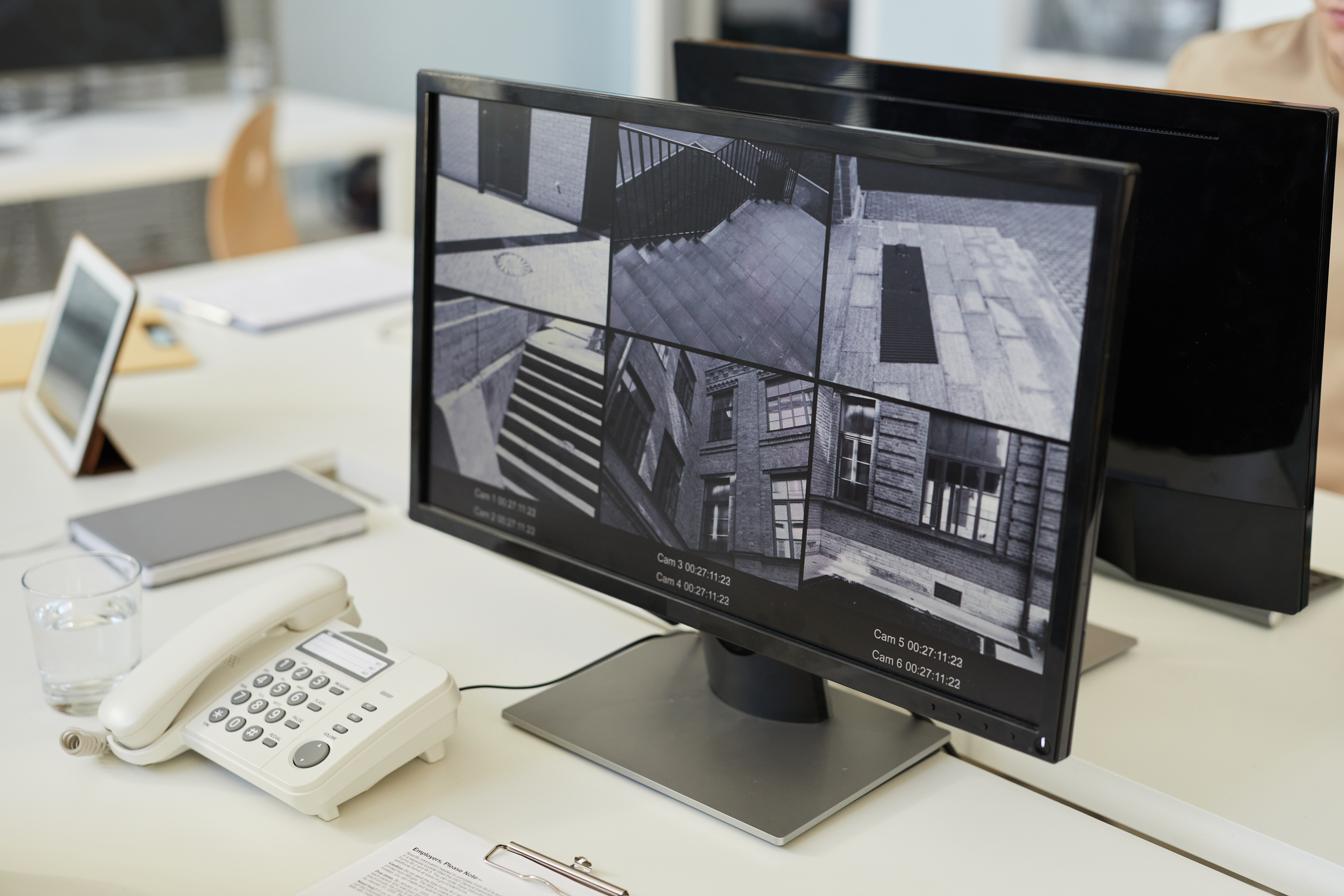
- Real-Time Situational Awareness: High-definition CCTV paired with smart analytics allows security teams to spot unusual activity or potential vulnerabilities before they escalate. If an incident occurs, live video feeds are critical for directing staff, identifying safe evacuation paths, and feeding real-time visual data directly to emergency responders.
- Remote Monitoring and Support: If a premises must be evacuated, remote monitoring ensures that NSI-approved monitoring centres can keep eyes on your facility, manage alarms, and coordinate with the police even if your on-site team has been forced to retreat.
Practical Steps to Take During the Implementation Period
The SIA and Home Office explicitly expect businesses to use this transition period actively. To ensure your venue is ready well before the enforcement deadline, we recommend taking three immediate steps:
- Formally Determine Your Scope: Accurately calculate your maximum capacity to confirm whether you fall into the Standard or Enhanced tier.
- Conduct a Gap Analysis: Review your current security policies against the latest government updates. Where are the weak links in your existing lockdown or internal communication capabilities?
- Embed Security into Team Culture: Hardware is only as effective as the people operating it. Begin integrating counter-terrorism awareness into your standard staff induction processes and run regular, low-stress drills.
Get Impartial, Expert Advice You Can Trust
Ensuring your systems are fit for purpose requires a consultative approach rather than guesswork. As a security specialist with an elite track record of defending complex commercial, hospitality, and educational spaces, iC2 CCTV is ideally positioned to help you navigate your statutory duties proportionately.
Don't wait for enforcement to catch up with your business. Contact iC2 CCTV today for a professional security assessment, and let us help you design, install, and protect a safer environment for your venue.